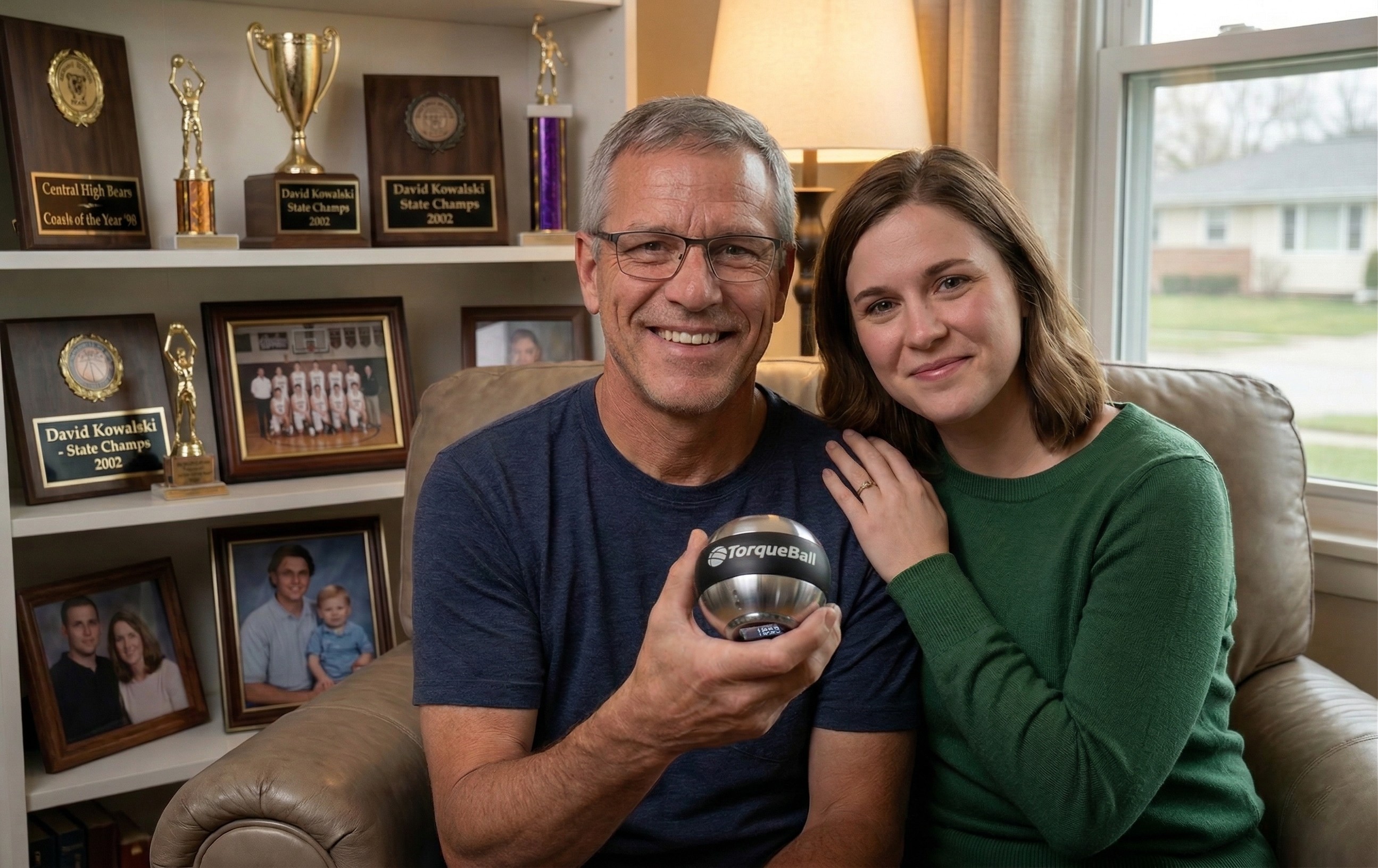
56-Year-Old Beats Early-Onset Alzheimer's Thanks to Daughter's Tiny Device

David Kowalski, 56, was standing in his own driveway when his daughter found him.
"He was just standing there, staring at the house," says Emma Kowalski, 28, a veterinary technician from Minneapolis.
"He'd been out getting milk. He couldn't remember which door was the front door."
That was eighteen months ago. David—a former high school basketball coach known for remembering every player's stats going back twenty years—had just been diagnosed with early-onset Alzheimer's.
"The doctor said it like he was reading a weather report," David recalls from his living room, where a shelf of coaching trophies lines the wall.
"'Significant cognitive decline. Consistent with early-onset Alzheimer's.' I'm 56. I still had plays I wanted to run."
Emma moved back home within a week.
"The first morning, I watched him pour orange juice into a cereal bowl," she says quietly.
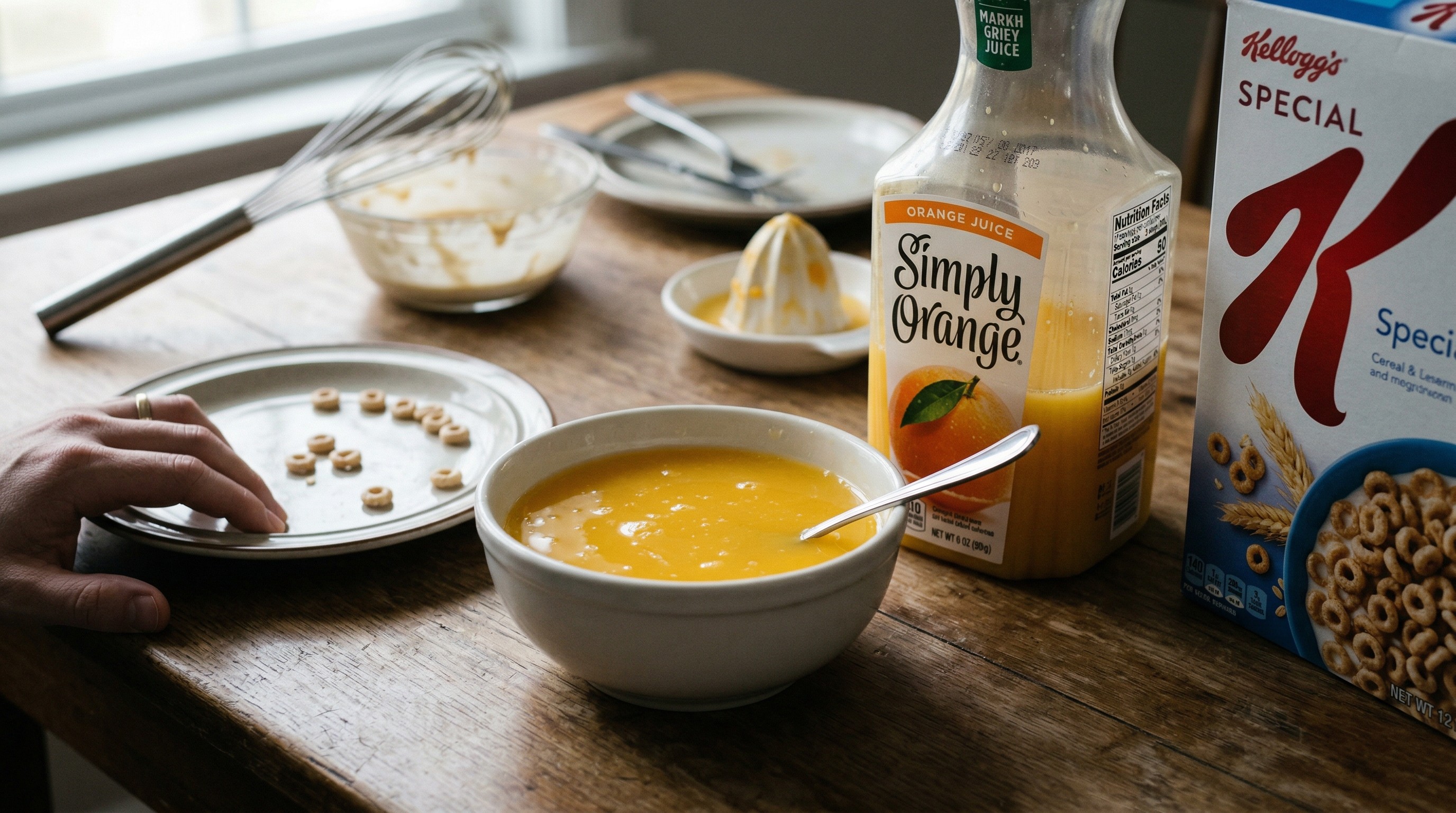
"Then he looked at it and said, 'Did I do that?' He used to make us these elaborate Sunday breakfasts. Eggs, pancakes from scratch, fresh-squeezed juice. Now he couldn't remember what went where."
The decline was swift and merciless. Within three months, David couldn't recall his late wife's birthday. He stopped recognizing neighbors he'd known for twenty years.
He called Emma by her mother's name twice in one afternoon.
"That one broke me," Emma admits. "Mom passed six years ago. Hearing her name like that—like she was still here but he'd lost her all over again—I had to leave the room."
The neurologist was blunt. The trajectory was clear. They should start looking at memory care facilities.
The brochures arrived in a manila folder that Emma shoved in a kitchen drawer.
"I couldn't even look at them," she says. "Dad's 56. The people in those brochures were decades older. But the doctor said we had maybe a year before he'd need round-the-clock supervision."

Memory care in Minnesota averages $6,200 a month. David's coaching pension and savings would last three years. Maybe four.
"I was looking at selling his house," she says. "The house he built with Mom. The house I grew up in. To pay for a place where he wouldn't even know where he was."
Then Emma found something that stopped her cold.
She'd been up late, reading everything she could about the connection between physical function and cognitive decline, when she came across a study that caught her eye.
"It was about hand strength," she says. "How it's one of the strongest predictors of cognitive function in aging adults. Stronger hands, sharper brain. I almost didn't click on it. I'd read a hundred articles by then. But this one mentioned a device that was being used in Japan."
The Device That Changed Everything
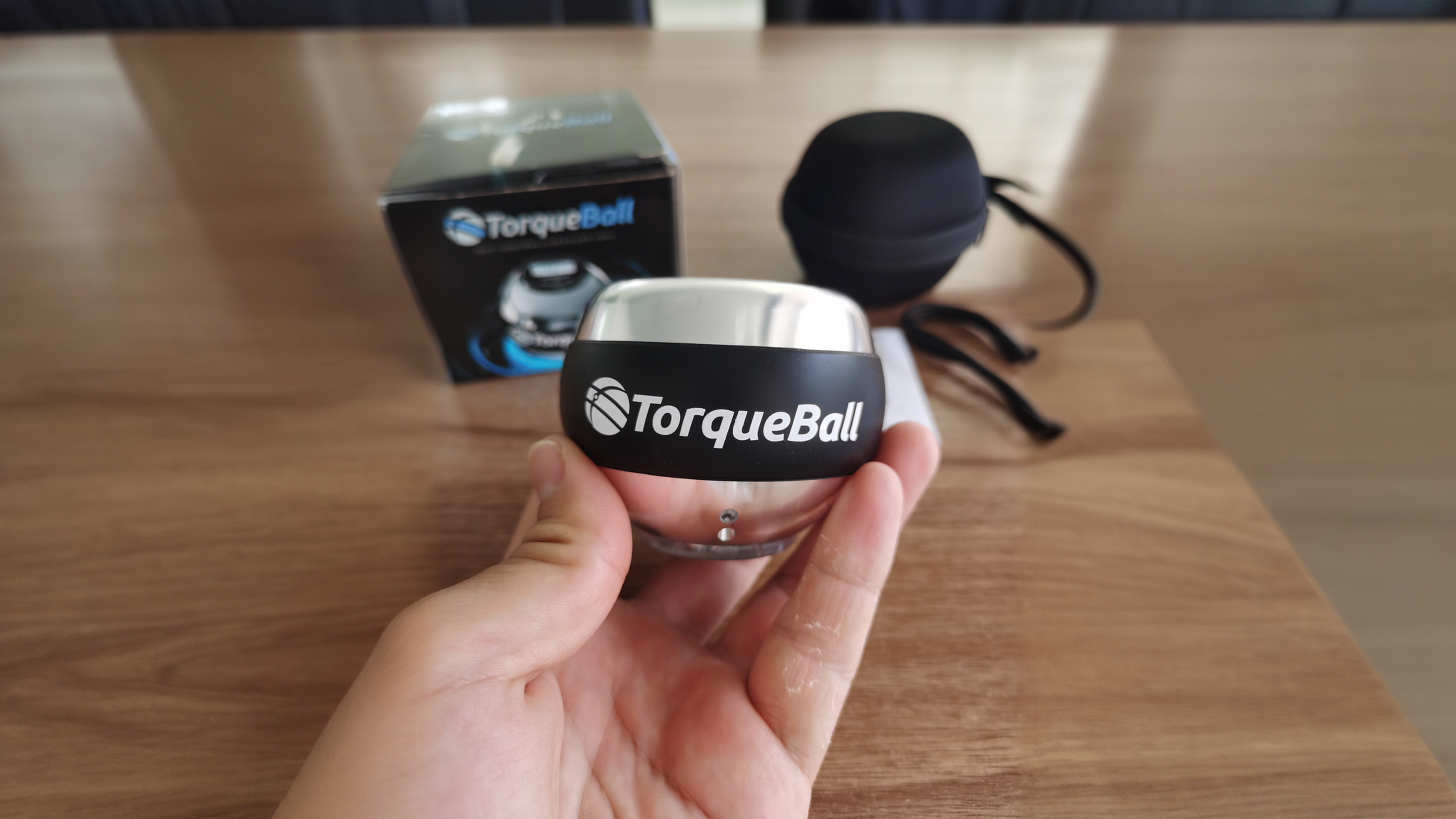
Emma ordered the TorqueBall the next morning.
"I didn't tell Dad what it was for," she says. "I just handed it to him and said, 'Spin this while you watch the game.' He was a coach. Give him anything with a score and he'll compete against himself."
David's first score: 987.
"Embarrassing," David laughs now. "I used to demonstrate one-handed push-ups to my players. And I couldn't break a thousand on a little ball."
But something familiar clicked in him—the competitor's instinct that Alzheimer's hadn't yet taken.
By day five, he hit 2,100.
By day twelve, 4,300.
"But the numbers weren't what made me cry," Emma says. "It was day nine. He called me at work and said, 'Emma, can you pick up eggs? I want to make Sunday breakfast.' He hadn't said that in seven months."
The Morning Emma Will Never Forget
Three weeks after starting with the TorqueBall, Emma came downstairs to the smell of pancakes.
"He was standing at the stove, flipping them one-handed like he used to show off for us when we were kids," she says, her voice breaking.
"And he looked at me and said, 'Your mother always said I put too much vanilla in these.' He remembered. He remembered."
She sat down at the kitchen table and sobbed.
"He thought he'd burned them," David says with a grin. "I said, 'Em, they're fine, try one.' She just kept crying."
Two weeks later, David did something that stunned his neurologist.
He recited his coaching record—every season, every win-loss total—for the past nineteen years. From memory.
"The doctor kept asking him to repeat things, do these little tests," Emma says. "And Dad just kept nailing them. The doctor actually said, 'I don't see this very often.' That's doctor for 'I've never seen this.'"
The Science Behind It
"The connection between hand strength and cognitive function is one of the most robust findings in aging research," explains Dr. Samuel Evans, the physician who developed the TorqueBall after his own father nearly lost his independence.
"We've known for over a decade that hand strength correlates directly with brain health. The hands occupy a disproportionately large area of the motor cortex. When you engage all 34 muscles in the hand simultaneously—which is what the gyroscopic resistance does—you're lighting up neural pathways that affect memory, brain function, and spatial awareness."
Dr. Evans discovered the connection during a research trip to Japan, where he observed seniors in their 90s maintaining remarkable cognitive sharpness.
But traditional methods take years. Dr. Evans knew families like Emma's needed results now.
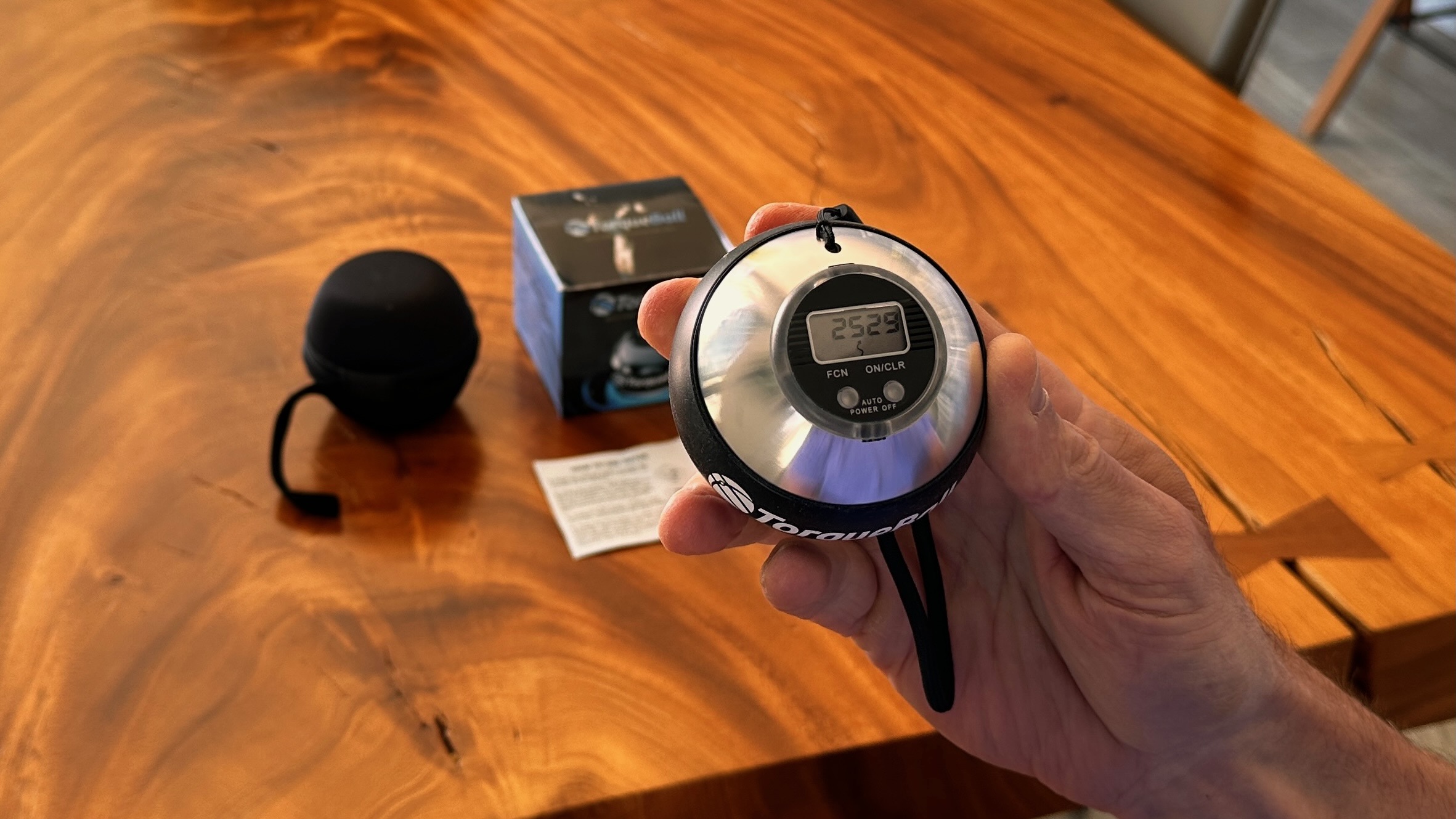
The TorqueBall uses gyroscopic resistance to engage the entire hand simultaneously, creating omnidirectional resistance that static exercises can't match.
"Think of it as a full-brain workout disguised as a toy," Dr. Evans says. "The digital display turns it into a game. Seniors who won't do prescribed exercises will spend hours chasing a higher score."
Real Stories From Real Families
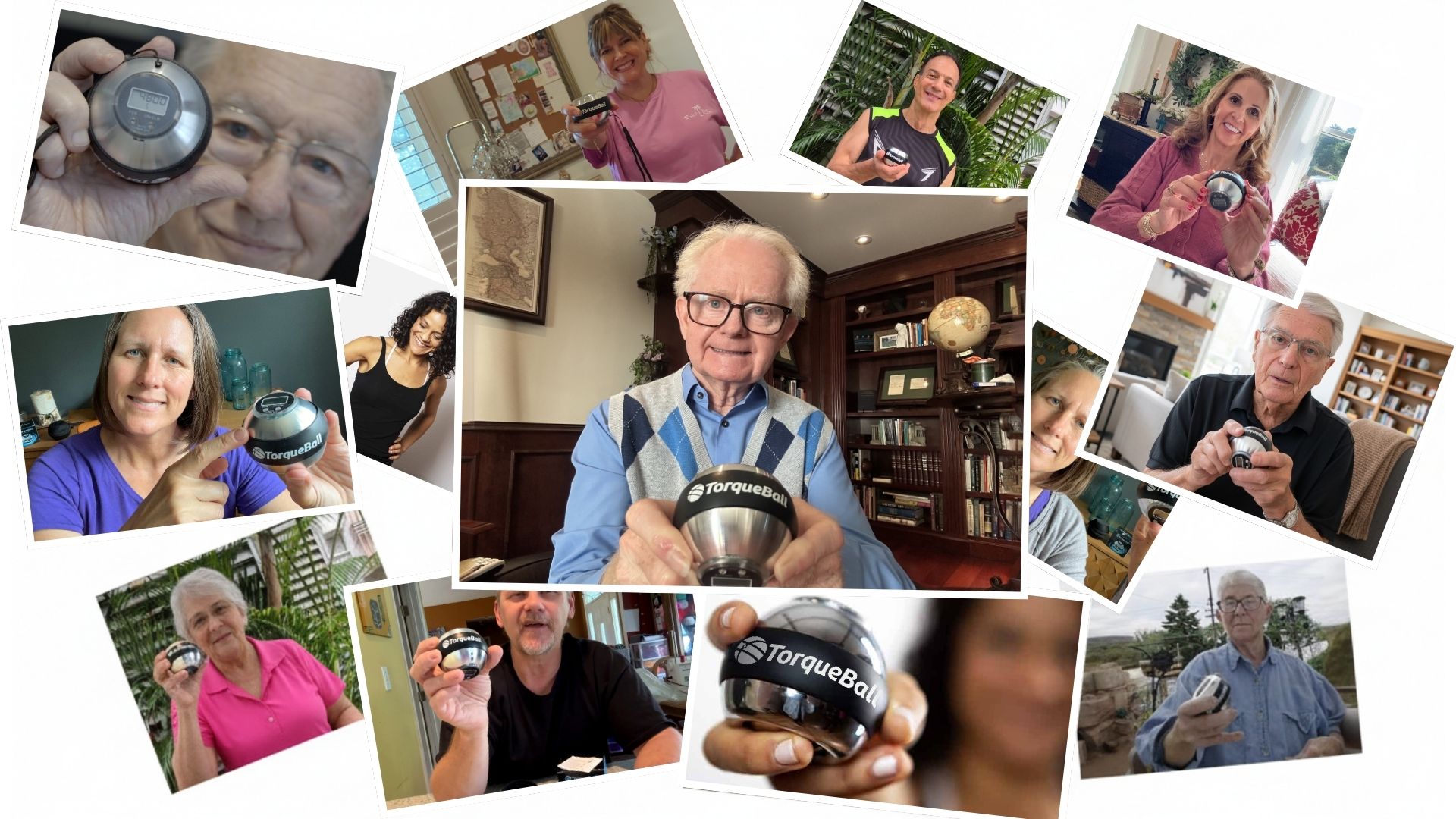
TorqueBall has earned over 8,500 5-star reviews. Here's what users are saying:

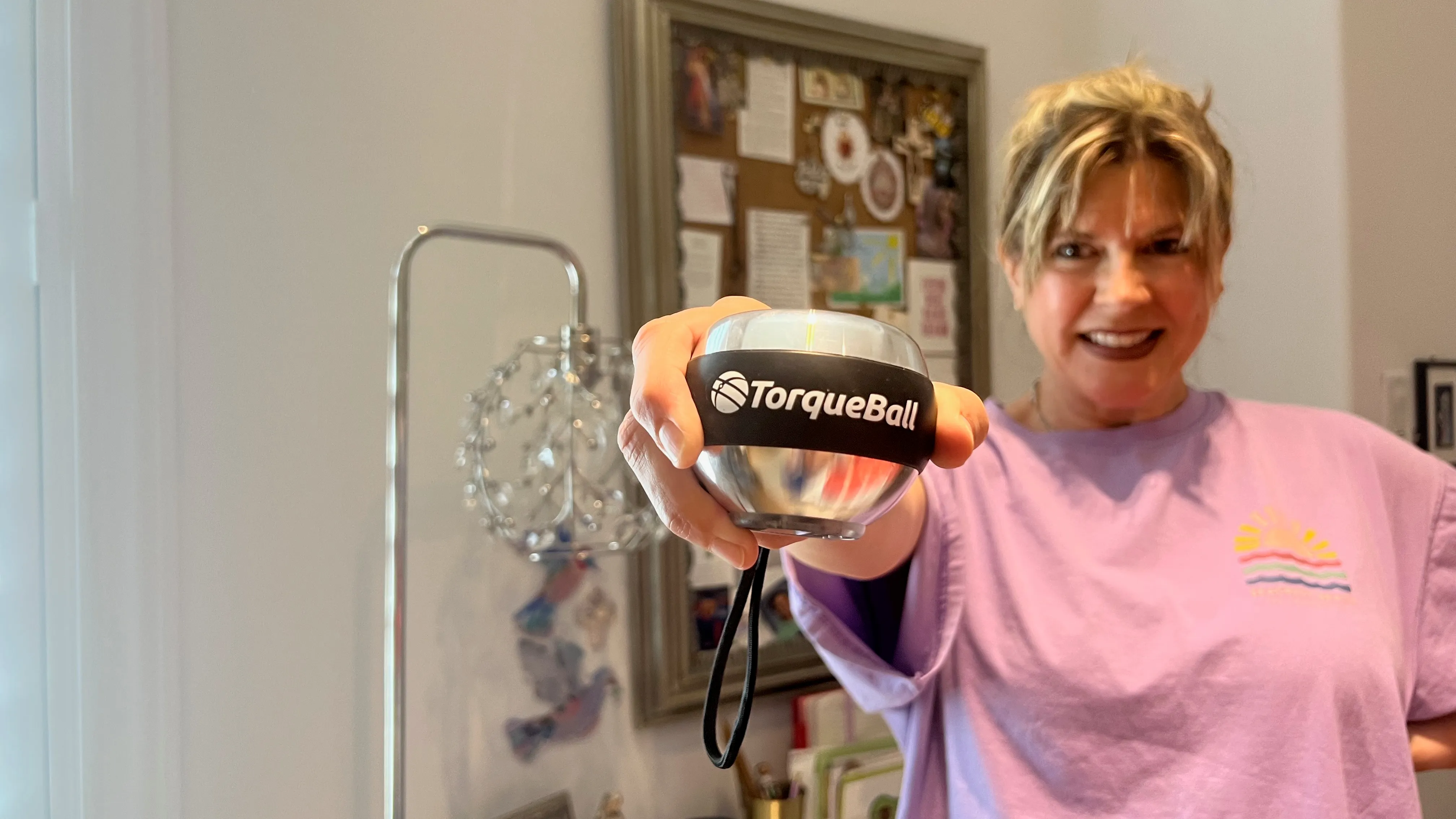
Robert A.

My wife is back.
Reviewed in Tyler, Texas on Mar 17, 2026
Verified Purchase
219 people found this helpful

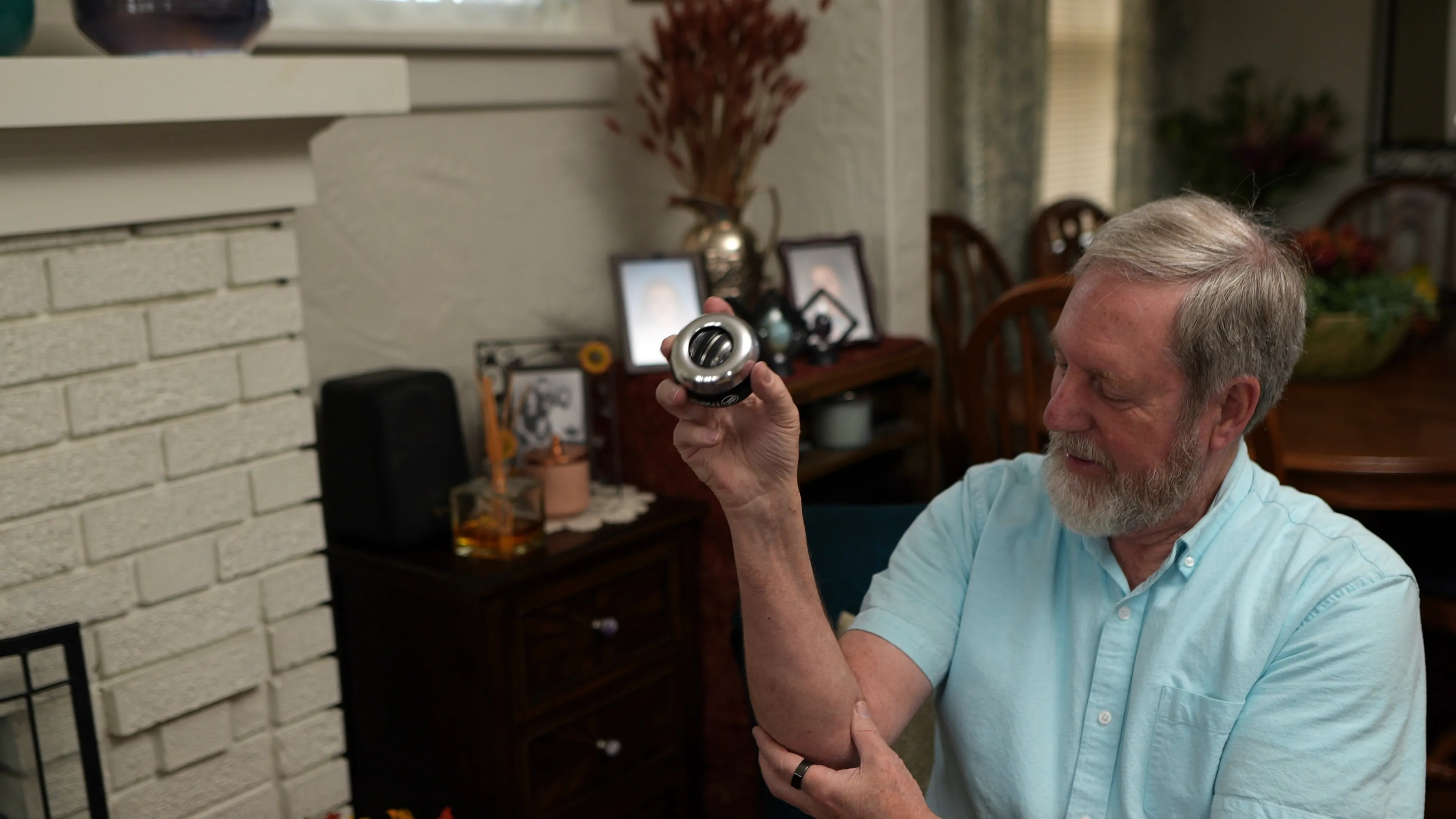
Lisa M.
Dad's doctor wants to know what changed.
Reviewed in Denver, Colorado on Jan 6, 2026
Verified Purchase
112 people found this helpful

Angela D.
Bought one for each of my parents.
Reviewed in Honolulu, Hawaii on Jan 20, 2026
Verified Purchase

66 people found this helpful
The Hidden Cost of Waiting
"Cognitive decline accelerates once a person is removed from their environment," warns Dr. Jennifer Patterson, a neurologist specializing in early-onset Alzheimer's.
"Every familiar routine they lose—cooking, driving, managing their home—is a neural pathway going dark. The earlier you intervene, the more you can preserve."
Memory care in the United States averages $5,800 per month. Over a five-year period, that's nearly $350,000.
"For the cost of a nice pair of shoes, you could potentially change the entire trajectory," says financial advisor Robert Greene.
"I've started recommending TorqueBall to every client with aging parents. There's nothing else in that price range that offers this kind of potential."
Seeing David for Myself
I visited David Kowalski on a Saturday morning.
He met me at the door, shook my hand firmly, and immediately offered coffee.
"Black or with cream? I've got oat milk too—Emma's gotten me into it," he said, already moving toward the kitchen.
This is not a man who couldn't find his own front door eighteen months ago.
While we talked, he casually spun the TorqueBall. The display read 9,214.
"Going for 10,000 by my birthday," he said. "June 14th. Same day the '98 team won state, same day my youngest was born." He paused. "A year ago, I couldn't have told you any of that."
He showed me the playbook he'd started writing—a guide for young coaches, filled with hand-drawn diagrams and game notes from memory.
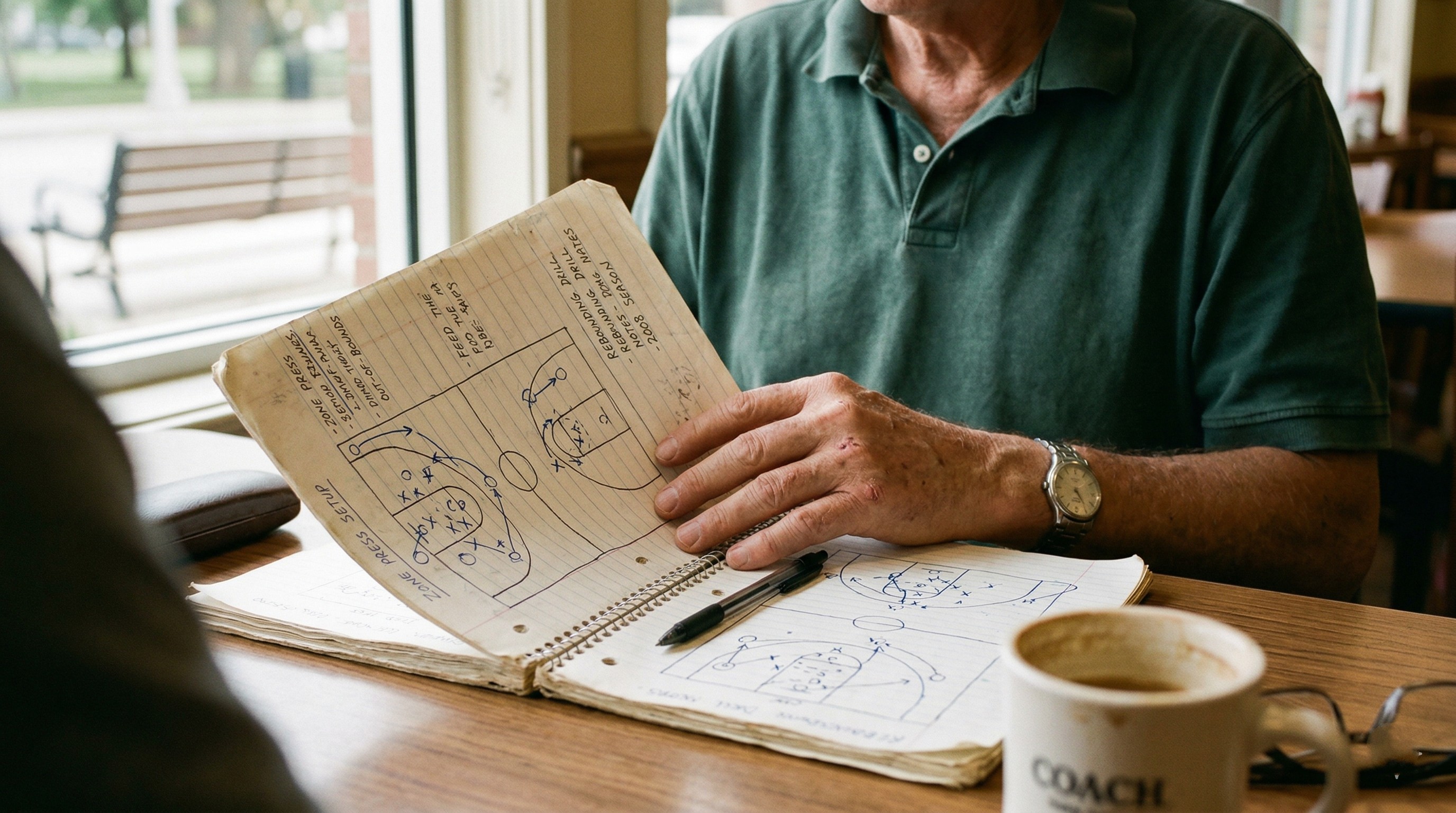
"My players used to call me 'Coach Wikipedia,'" he laughed. "I'm getting that back."
Emma, watching from the kitchen doorway, wiped her eyes.
"I almost lost him," she said. "Not to death—that would've been later. I almost lost him. Who he is. His memories of Mom, of us, of everything he built. And now he's sitting here cracking jokes and writing a book."
She held up the manila folder from the kitchen drawer. The memory care brochures.
"I'm recycling these today," she said.
The Supply Problem
Due to overwhelming demand, TorqueBall faces constant stock shortages.
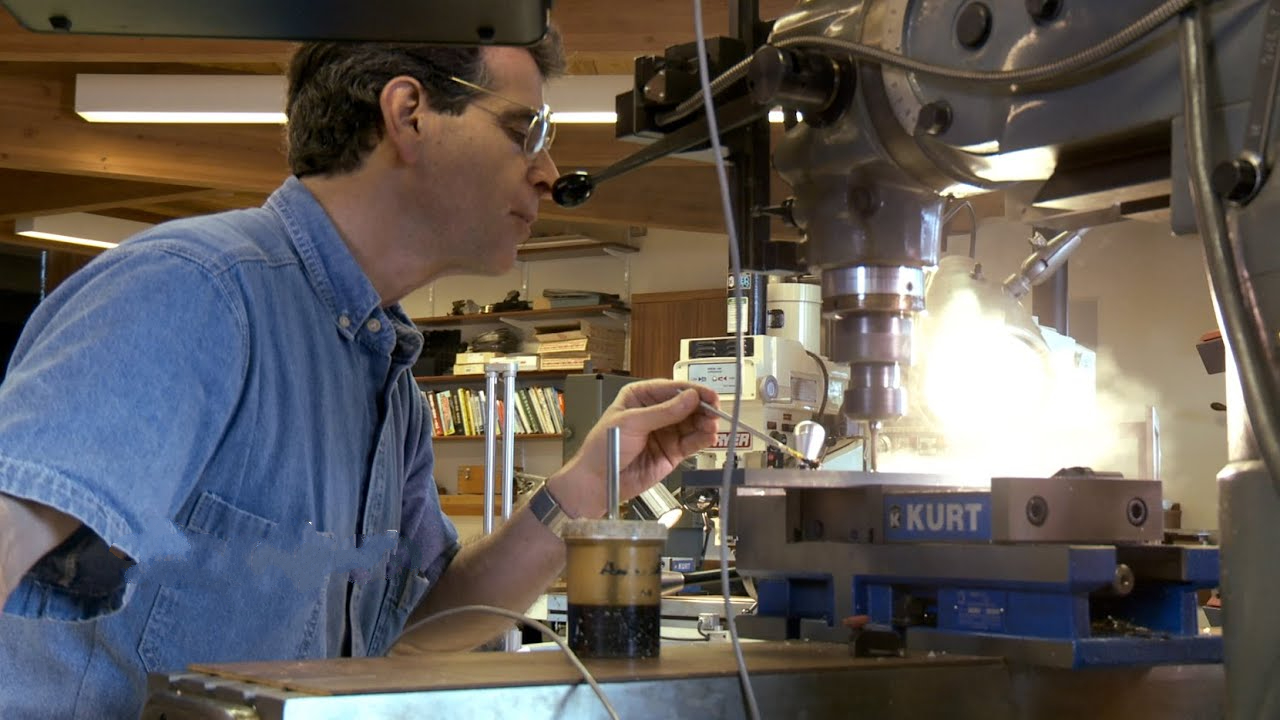
"We handcraft each unit to ensure quality," Dr. Evans explains.
"Our engineer, Michael, personally calibrates every gyroscope. We could mass-produce overseas, but these are going to people's parents. We won't cut corners."
As of this morning, only 212 units remain in stock. The last batch sold out in under 48 hours.
"Once these are gone, we won't have more until mid-June," Dr. Evans warns. "If someone you love is slipping away—if you're watching their memories disappear—don't wait."
The Guarantee That Matters
Dr. Evans offers a 90-day full refund guarantee.
"If the TorqueBall doesn't help, we'll refund every penny," he says. "You don't even have to return it. Give it to someone who might benefit."
The return rate? Less than 1%.
Each TorqueBall also comes with a personal letter from Dr. Evans' father, Bill.
"He insists on writing to every customer," Dr. Evans smiles. "He knows what they're going through. Mom says people frame them."
A Message From the Kowalskis
Emma has a message for other sons and daughters watching a parent fade:
David adds his own:
Every year, thousands of families watch someone they love disappear—not all at once, but in pieces. A name here. A recipe there. The way home.
But for families like the Kowalskis, the memories came back.
All because of a device that fits in the palm of your hand.
The TorqueBall is available for $79, with family discounts available. Given the current supply of only 212 units and high demand, Dr. Evans recommends ordering immediately.
"Don't wait until the memories are gone," Emma says. "I almost did."
Following overwhelming demand from families wanting to help their aging parents, TorqueBall is currently offering a special 50% discount to those age 65 and older. However, due to extremely high demand, TorqueBall has sold over 1.8 million units and only has 200 units remaining from their latest production run.


50%
OFF